This is a modular spinning top I made for ME 325: Injection Molding.
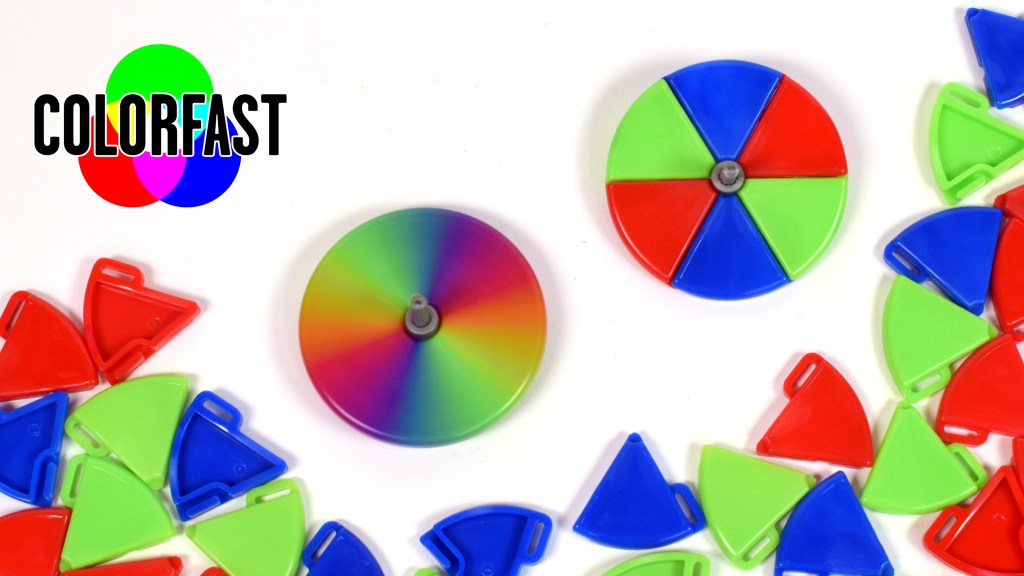
I am deeply interested in properties of light and the eye. For my final project, I decided to make a spinning top similar to wheels developed by physicist James Clerk Maxwell in the 1800’s to study the additive primary colors: red, green, and blue. If a top of these colors spins fast enough, the eyes blend the light into white. Cameras can capture the primaries mid-blend depending on their shutter speed, so the top can show the entire visible spectrum when photographed.

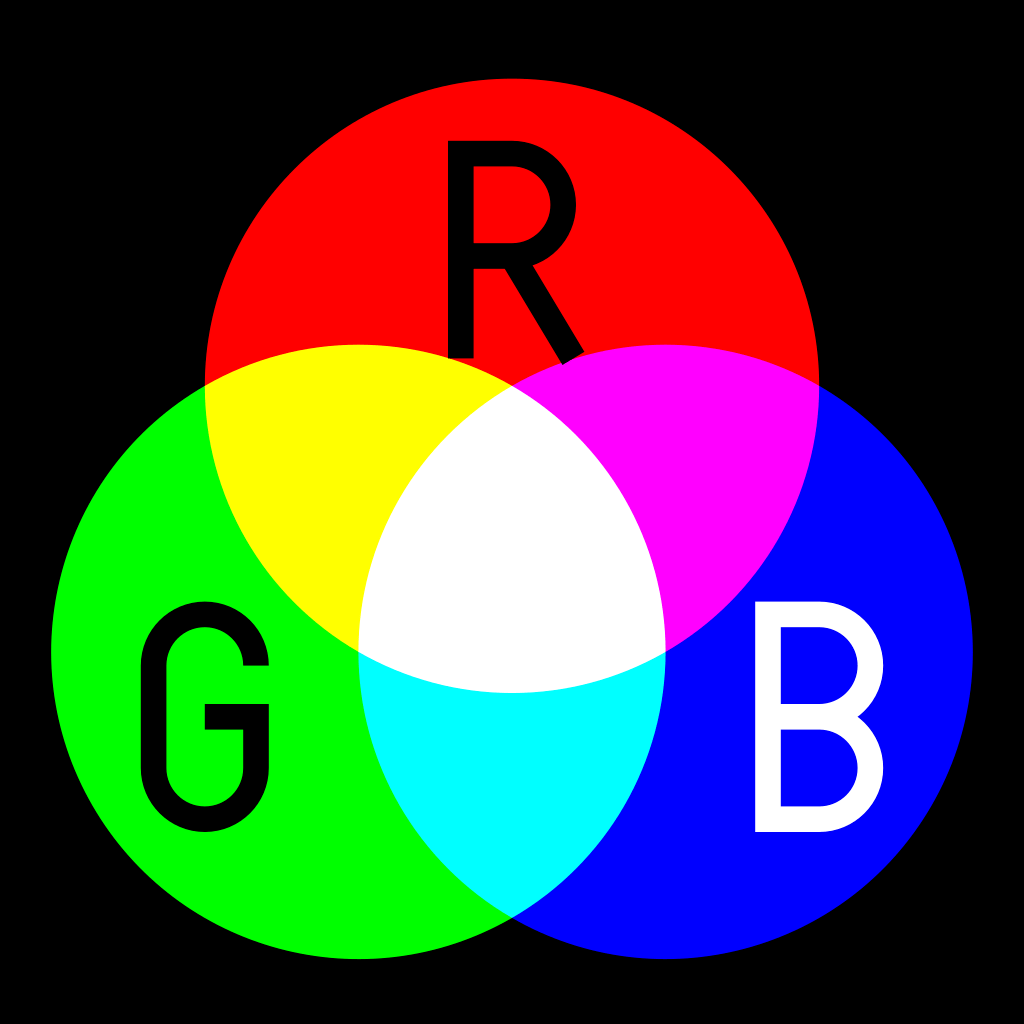
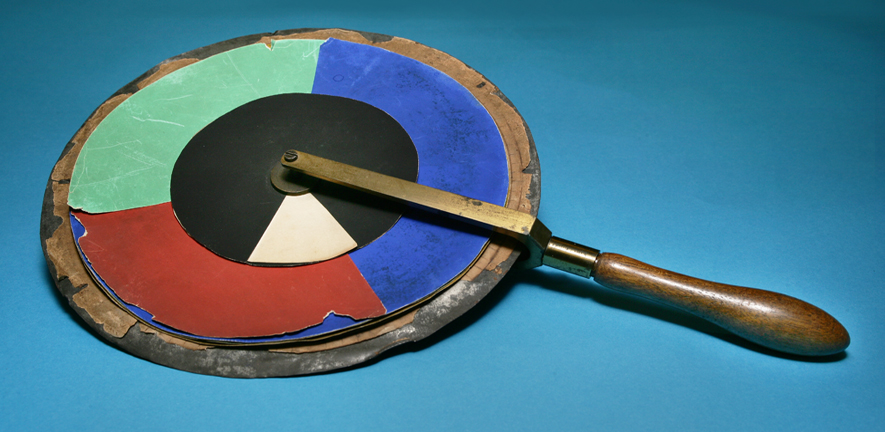
I wanted the top to be reconfigurable to change the color when spun so the user could create the additive secondaries or explore other resulting colors. I sketched various ways to connect the color slices together, as well as how to connect the point to the top.
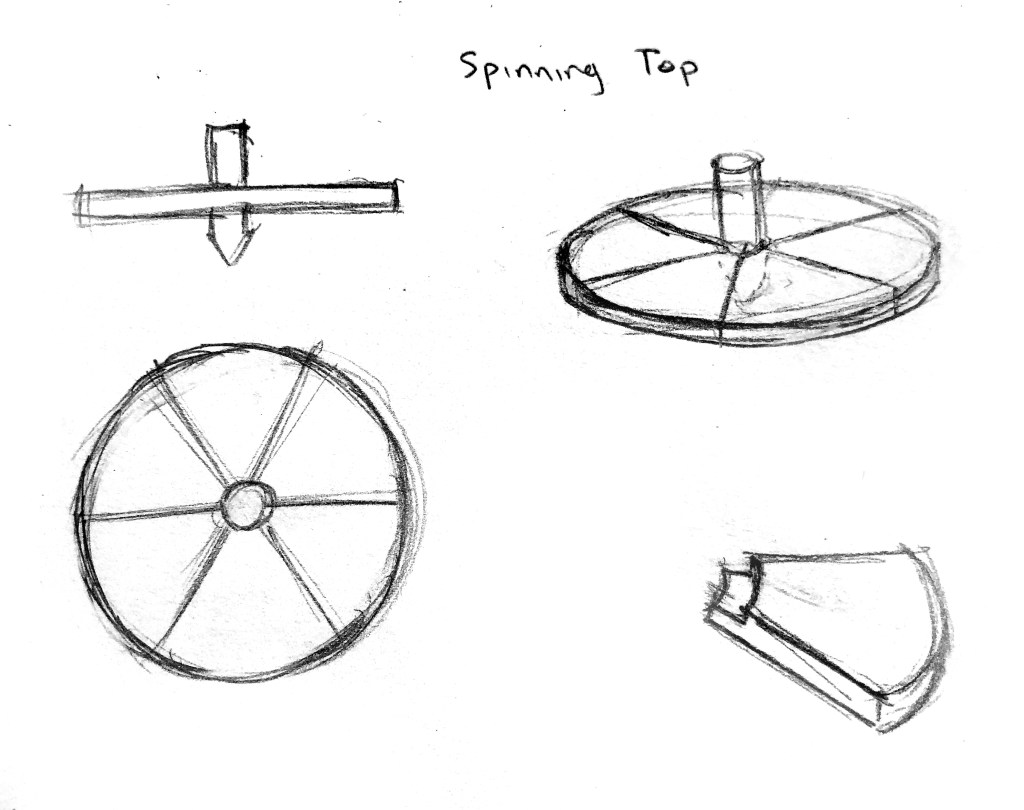
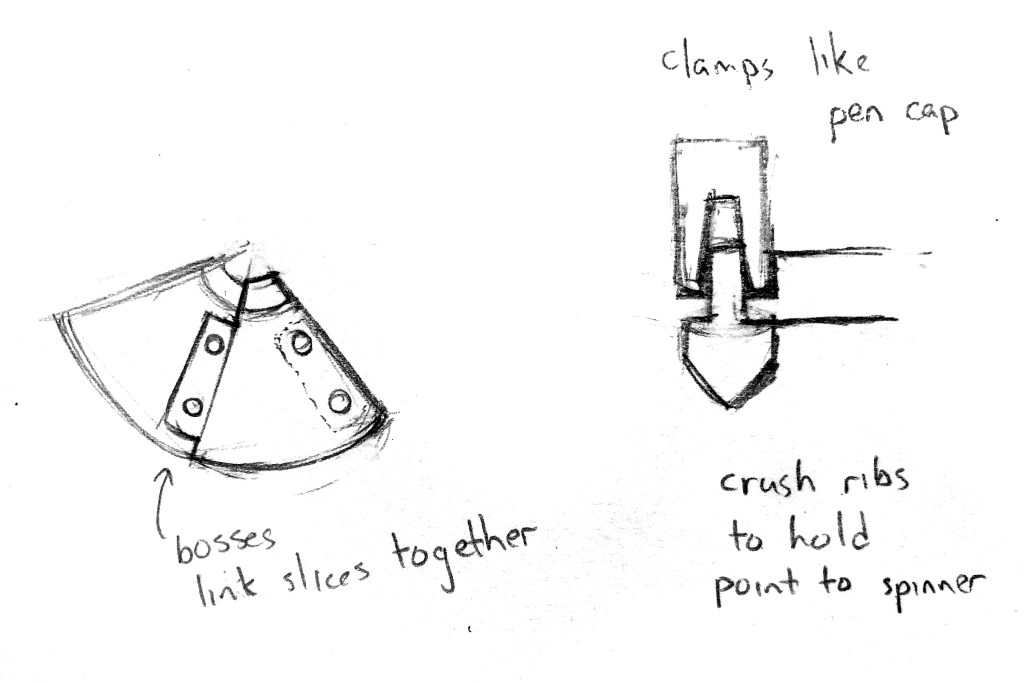

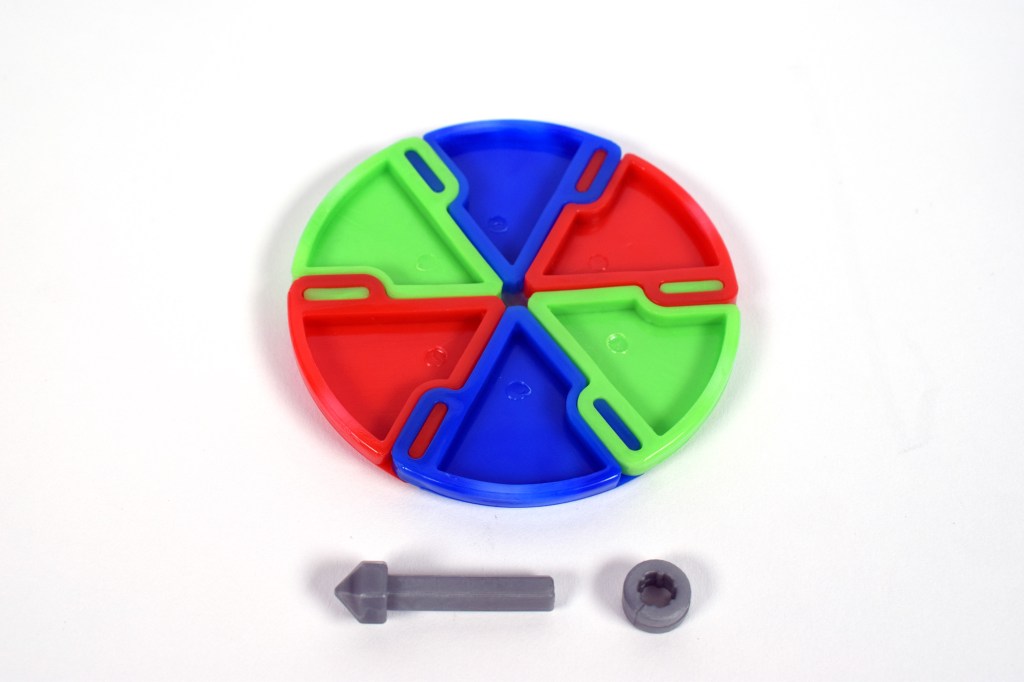
Through extensive prototyping, I decided to mold the tops with eight different parts: six color slices, one point, and one retaining bushing. Each slice would have an oblong boss that would fit into a slot cut on the adjacent slice. The point would be hexagonal to simplify the press fits for both the bushing and the slices. Lastly, the bushing would clamp the slices to the point.


My project required considerable machining and remachining for my molds. While my molds are not very big, my CAM had long cut times. This is partially because I used many scallop toolpaths to create a smooth surface finish on my color slices and points. I also wanted to maintain a consistent wall thickness for my slices, which meant that my molds have several narrow slots that took a long time to mill with my stepdowns. Shout-out to my 1/16” flat end mill for sticking with it!



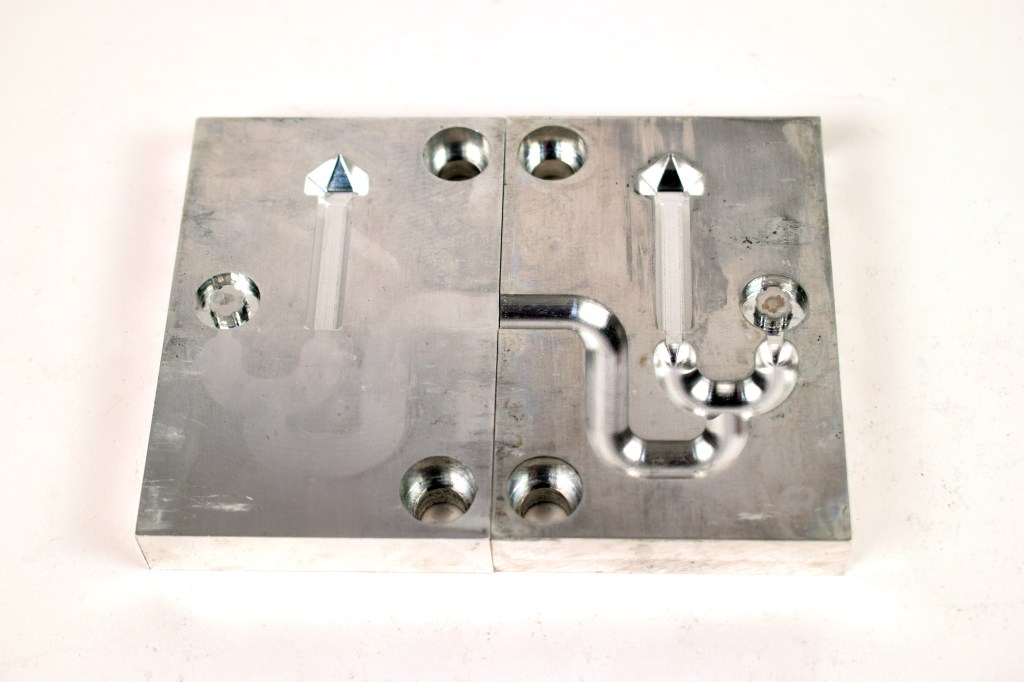
My first shot parts were critical for refining my mold design. There ultimately wasn’t much to tweak, but I changed some important parameters so my parts would fit together better. The slices were too loose and did not snugly snap together like I wanted, so I shrunk the gap between the slot and the boss to add more interference.
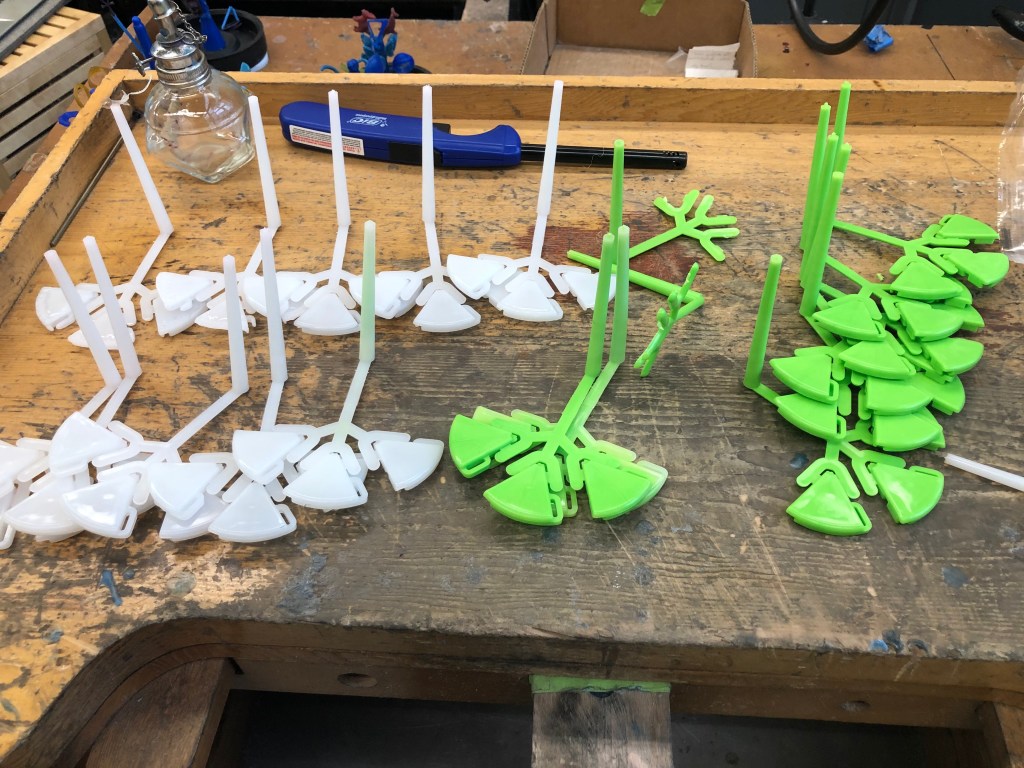
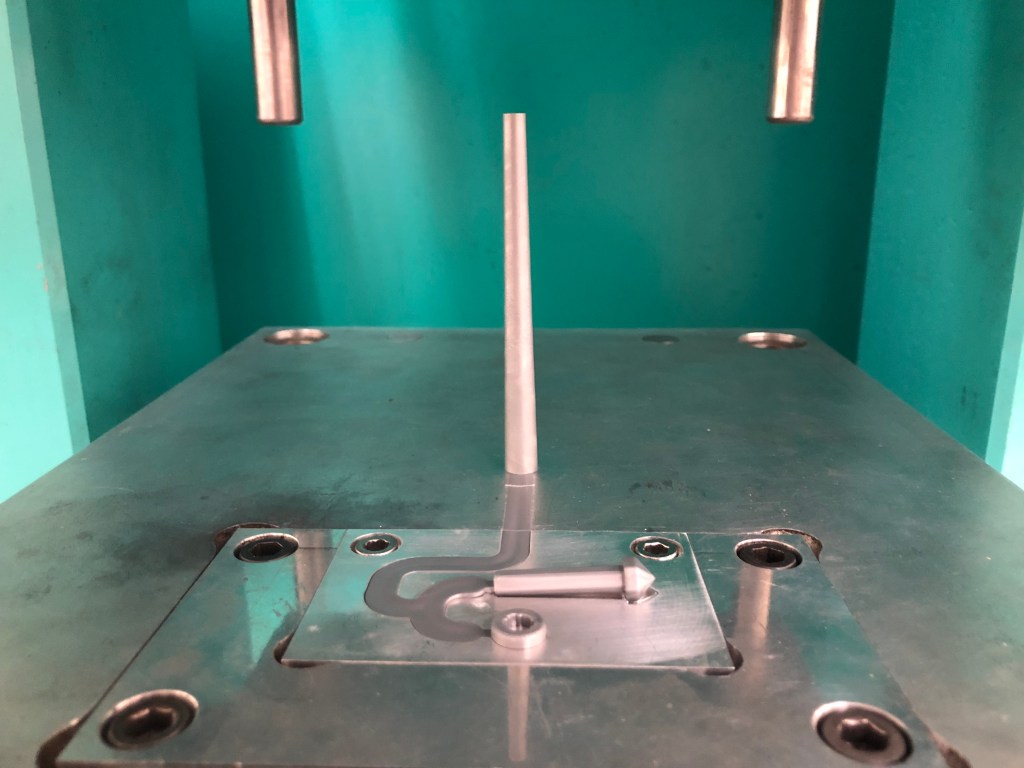
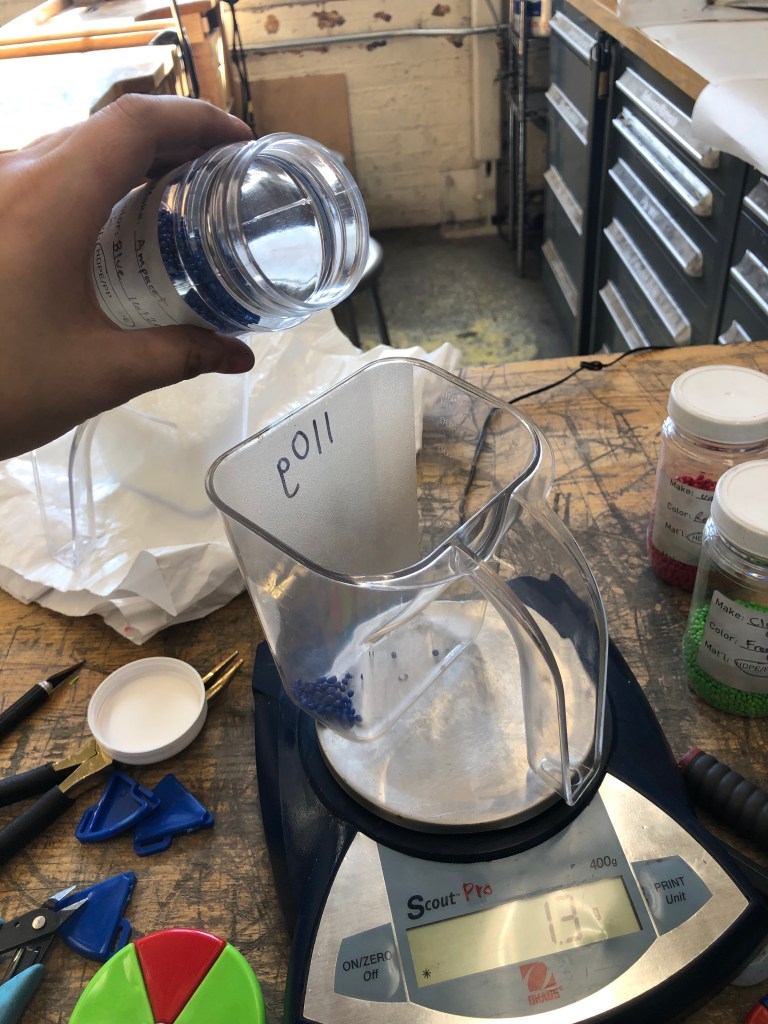
Once I was happy with my part geometry, the big challenge was molding the colors I wanted. The illusion is dependent on color, and it’s important to get the right shade for the slices. While molding my final parts, I tested the tops at intervals through color transitions to ensure that the illusion was working as expected.
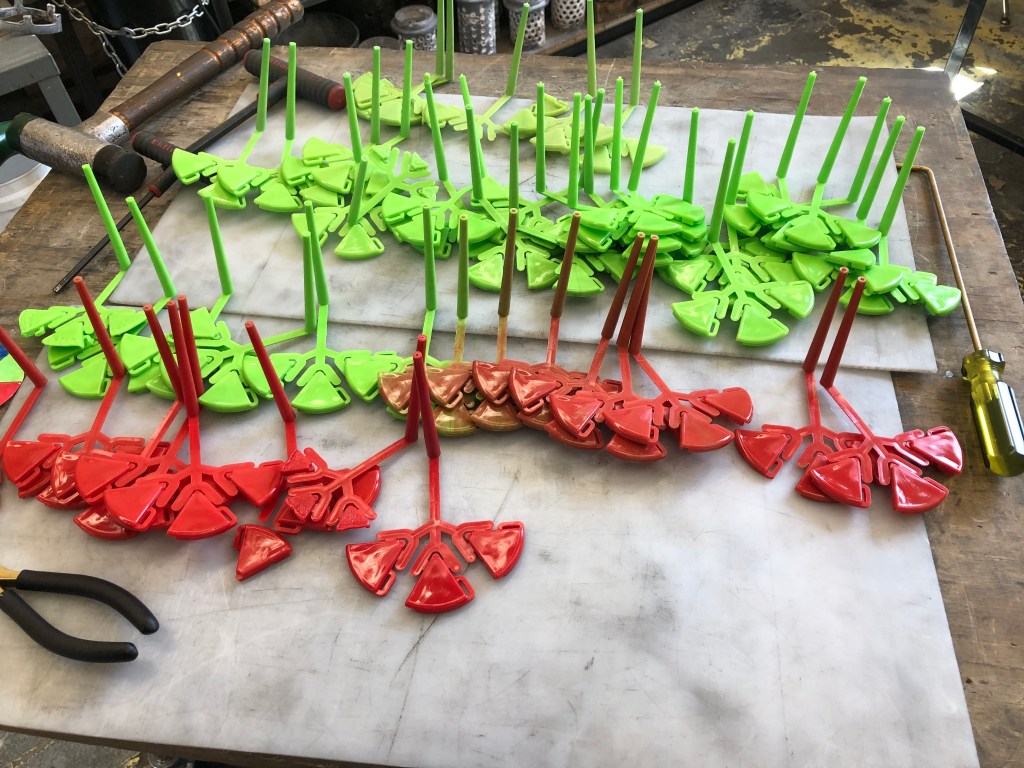
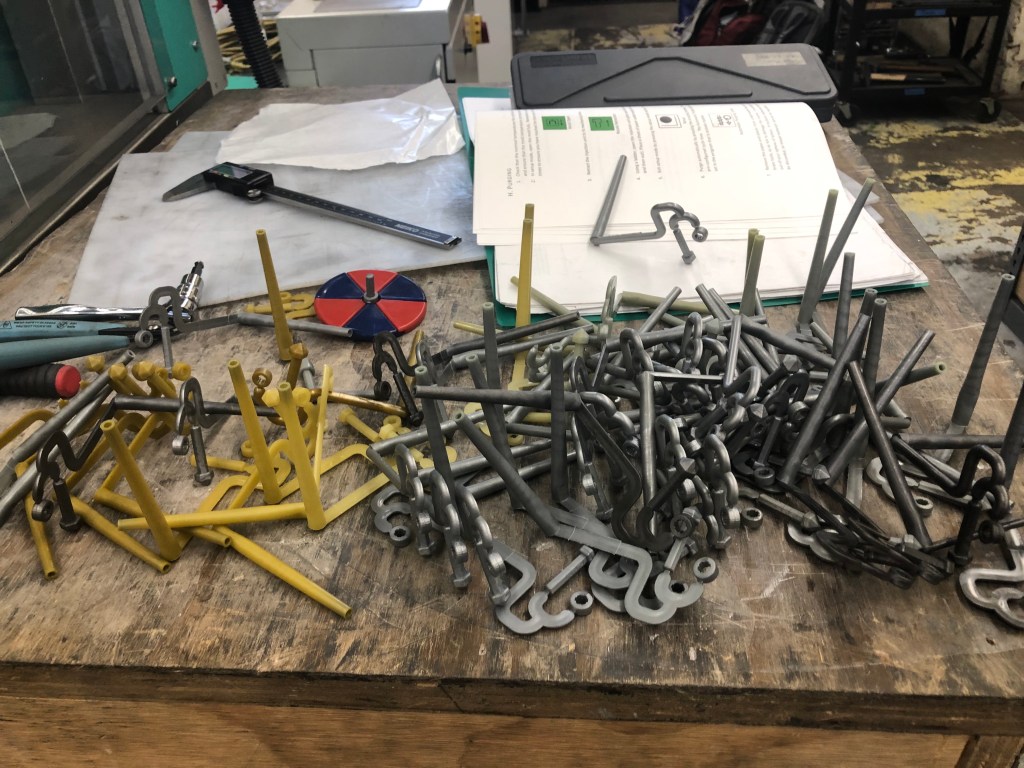
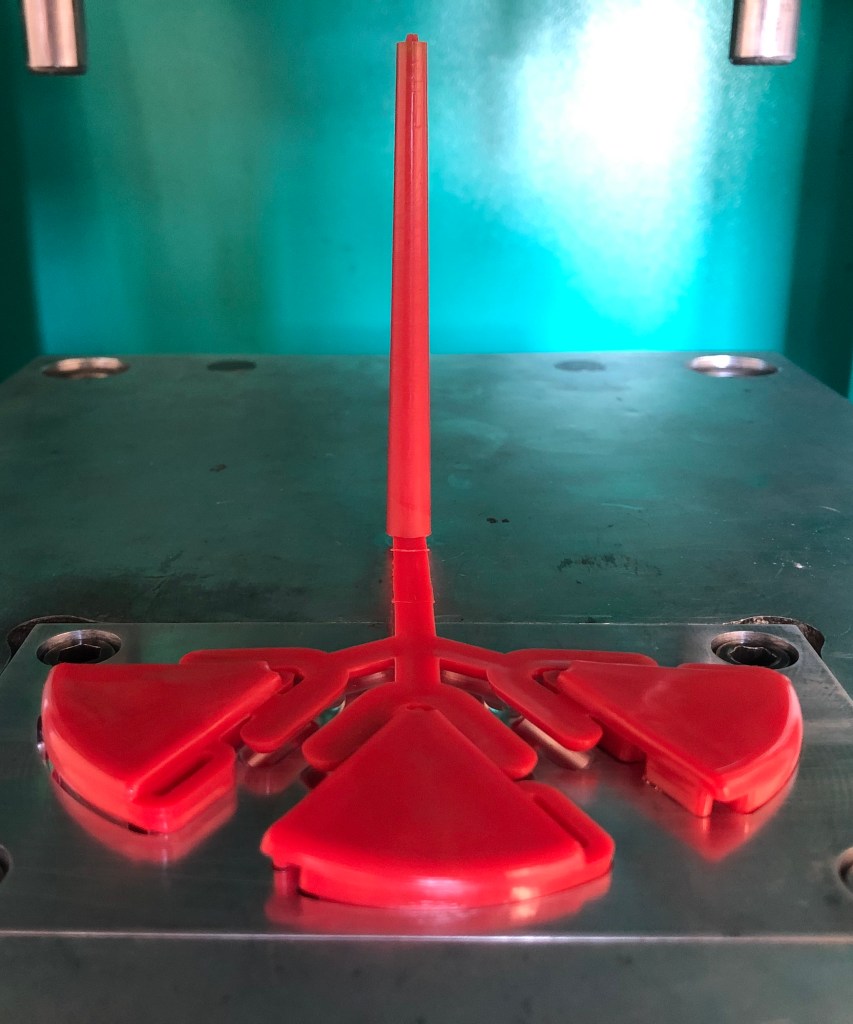
The final step was trimming my parts from their gates and assembling the top kits!

 Tatiana Mowry